Top 5 Reasons Why You Need a Standing Desk


3 min
You’ve probably heard a lot of noise about standing desks, also known as sit-stand desks. How did this health craze get started? Well, mainly because it is now known that sitting for long periods can be very bad for your health. The list of illnesses associated with long-term sitting is startling. Diabetes, Heart Disease, and spinal disc damage are just to name a few. At Codex, we aspire to make every workplace healthy and productive; that’s why we are serious about standing desks. We have done our research, and here is what we have found to be the most common benefits of using a standing desk. Having the right office furniture for your needs is important for a productive and healthy work environment.
Standing Desk: Top 5 Benefits
1. RELIEF FROM BACK PAIN
Our backs are a complex framework of interlocking muscles and bones that act as the body’s support pillars. It can get a lot of wear and tear, so it’s important we take good care of it, especially the spine and its many accompanying disks. Maintaining good posture is a tried-and-true method for preventing back pain, but sitting in a chair is not our body’s definition of good posture. Remaining seated for long periods causes uneven weight distribution over your spine. Working while standing returns your body to a more natural position and posture that doesn’t put a huge strain on your back.
2. EASES MUSCLE ACHES
It’s not just your back that suffers from long periods of sitting; your muscles do too. If your legs and glutes become inactive, it reduces your ability to sit up straight. Muscles become stiff and cold; reduced mobility also affects blood flow, which is very important for muscle function. Standing allows your body more freedom to adjust to positions that put less strain on it and facilitate adequate blood flow to all your muscles.
3. INCREASES CIRCULATION
As touched on above, good blood circulation throughout the body is very important. Prolonged sitting restricts blood flow around your body, particularly your legs. This restriction in circulation can result in swollen ankles, varicose veins, and, in extreme cases, blood clots, which can cause untold pain and discomfort.
Using a standing desk forces your body into a continuous state of light movement, which increases your circulation to an optimum level. This greatly reduces your risk of the various ailments mentioned before. You might even notice your mood becoming more positive, with fewer aches and pains!
4. REDUCED HEART RISKS
Since muscles are less active when sitting than when in motion, they burn less fat; alarmingly, prolonged excessive sitting is linked to heart failure. The pathway to this unfortunate condition happens when the heart becomes progressively weaker and unable to pump enough blood to keep the rest of the body oxygenated and well.
High blood pressure and elevated cholesterol levels can form a deadly combo that greatly increases the risk of developing heart disease. Exercise is an essential part of keeping the heart healthy. These days, working in an office takes up a lot of time, and we can’t all make it to the gym. You need the next-best thing given the circumstances while you're working. The best substitute is to stop being so inactive in the office and abandon your sedentary routine. Working while standing is a great way to keep your heart happy!
5. ELEVATED BRAIN FUNCTION
To be productive, your body and mind must be in sync; if the body suffers, then the mind will suffer. Yes, blood flow will again be a factor! Nutrient-rich blood must be pumped around your body; this is essential to increased brain function. If you’re sitting for long periods of time, blood flow is restricted, which then, in turn, slows down brain function. Standing, however, can increase the blood flow to all areas of the body. In doing this, you get a brain boost that enhances cognitive skills like focus and memory.
Take a Stand
There you have the top 5 reasons to incorporate a standing desk into your work life. If you give up your sedentary work lifestyle now, you can have a happier, healthier future in the workplace.
Latest Posts


 Neuroinclusion in the Workplace
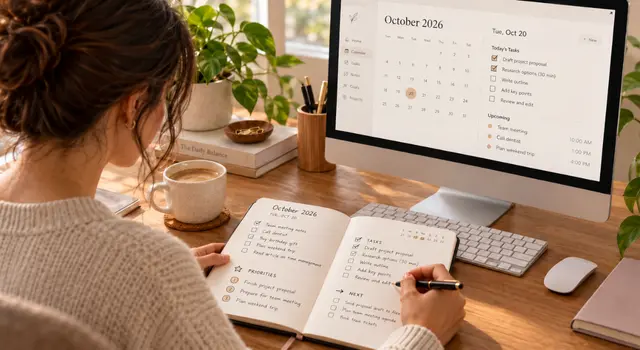
Different Working Styles Need Different Ways to Plan
Why do some planning systems work brilliantly for one person but not another? Dr Áine O'Dea explores how executive functioning, neurodiversity, and different working styles shape how we plan, prioritise, and manage our workday.

 Workplace Wellbeing
6 Ways to Move More and Support Mental Health at Work
Supporting your mental health at work can be as simple as moving more throughout the day. Discover six practical ways to build movement into your workday, whether you work in an office, remotely or in a hybrid role.